
Бесплатный фрагмент - 40 уроков английского языка для подростков
Все ключевые темы средней и старшей школы в одной книге
Предисловие
Дорогие читатели,
Эта книга создана для тех, кто уже имеет базовые знания английского языка и хочет продолжить их развитие. Моя цель — помочь вам систематизировать грамматику, расширить словарный запас и приобрести уверенность в использовании английского в повседневной жизни.
В книге 40 уроков, каждый из которых посвящён определённой теме. Структура уроков позволяет постепенно закреплять новые знания: объяснение грамматических правил на русском языке, примеры предложений с переводом, небольшие истории на английском, полезные слова и выражения, а также разнообразные упражнения с полными ответами. Такая организация материала помогает не только понять грамматику, но и научиться применять её на практике.
Особое внимание уделено повседневной лексике и конструкциям, которые чаще всего встречаются в общении. Истории и упражнения построены так, чтобы вы могли использовать новые слова и выражения несколько раз, закрепляя их в памяти. В конце книги представлены списки неправильных глаголов, полезных коллокаций и фразовых глаголов, которые служат дополнительным справочным материалом.
Я надеюсь, что эта книга станет вашим надёжным помощником в изучении английского языка, поможет закрепить изученное и вдохновит на дальнейшее совершенствование навыков.
Lesson 1. Talking about Yourself
Рассказываем о себе, семье, увлечениях
Grammar Focus: Present Simple & Talking about Yourself
Present Simple используется, чтобы говорить о регулярных действиях, привычках, фактах и постоянных состояниях. Он часто используется, когда рассказываем о себе, своей семье, работе или увлечениях.
Правила:
Для he/she/it добавляем -s/-es: She plays tennis.
Для I/you/we/they форма глагола без окончания: I like reading.
Примеры:
I live in Moscow. — Я живу в Москве.
She has two brothers. — У неё два брата.
My favorite hobby is painting. — Моё любимое хобби — рисование.
Совет по запоминанию:
Повторяйте фразы о себе вслух каждый день, чтобы закрепить формы Present Simple.

Story
My name is Anna, and I live in a small town near the river. I am 17 years old. I have a brother and a sister. My brother is 20, and he studies at university. My sister is 14, and she loves playing the piano.
Every morning I wake up at 7 o’clock. I eat breakfast and go to school. I like learning English because it is interesting. After school, I do my homework and sometimes watch TV. In the evening, I usually read books or listen to music.
I have many hobbies. I love painting and drawing. On weekends, I often go to the park with my friends. We play football, ride bikes, or just talk. My family likes spending time together. We often cook dinner together, and sometimes we watch movies.
I think family and friends are very important. I like helping my parents and talking with my brother and sister about our day. I also enjoy learning new things and meeting new people. Life is busy, but I try to do the things I like every day.
Useful Words and Expressions
live — жить
small town — маленький город
brother — брат
sister — сестра
wake up — просыпаться
breakfast — завтрак
school — школа
homework — домашняя работа
hobby — хобби
painting — рисование
park — парк
friends — друзья
play football — играть в футбол
ride a bike — кататься на велосипеде
cook — готовить
spend time — проводить время
enjoy — получать удовольствие
important — важный
learn — учить, изучать
every day — каждый день
Exercises
Exercise 1: Fill in the blanks
I ______ (live) in a small town.
My brother ______ (study) at university.
She ______ (love) playing the piano.
We often ______ (cook) dinner together.
I ______ (wake) up at 7 o’clock every morning.
Exercise 2: Multiple Choice
Choose the correct option:
My favorite hobby ______ painting.
a) is
b) are
c) am
I ______ breakfast every morning.
a) eat
b) eats
c) eating
She has two brothers. — What is the correct question?
a) Do she has two brothers?
b) Has she two brothers?
c) Does she have two brothers?
Exercise 3: Questions about the story
Answer in 3–4 sentences each.
Who is Anna? Describe her family.
What does Anna do every morning?
What are Anna’s hobbies?
How does Anna spend time with her friends?
Why are family and friends important to Anna?
Answer Key
Exercise 1:
live
studies
loves
cook
wake
Exercise 2:
a) is
a) eat
c) Does she have two brothers?
Exercise 3:
Anna is a 17-year-old girl who lives in a small town. She has a brother and a sister. Her brother is 20, and her sister is 14.
Every morning, Anna wakes up at 7 o’clock, eats breakfast, and goes to school. After school, she does her homework.
Anna loves painting and drawing. She enjoys reading books and listening to music in the evening.
On weekends, Anna goes to the park with her friends. They play football, ride bikes, or just talk together.
Family and friends are important to Anna because she likes helping her parents and talking with her brother and sister. They make her life happy and interesting.
Lesson 2. Daily Routines
Повседневные дела и привычки
Grammar Focus: Present Simple & Adverbs of Frequency
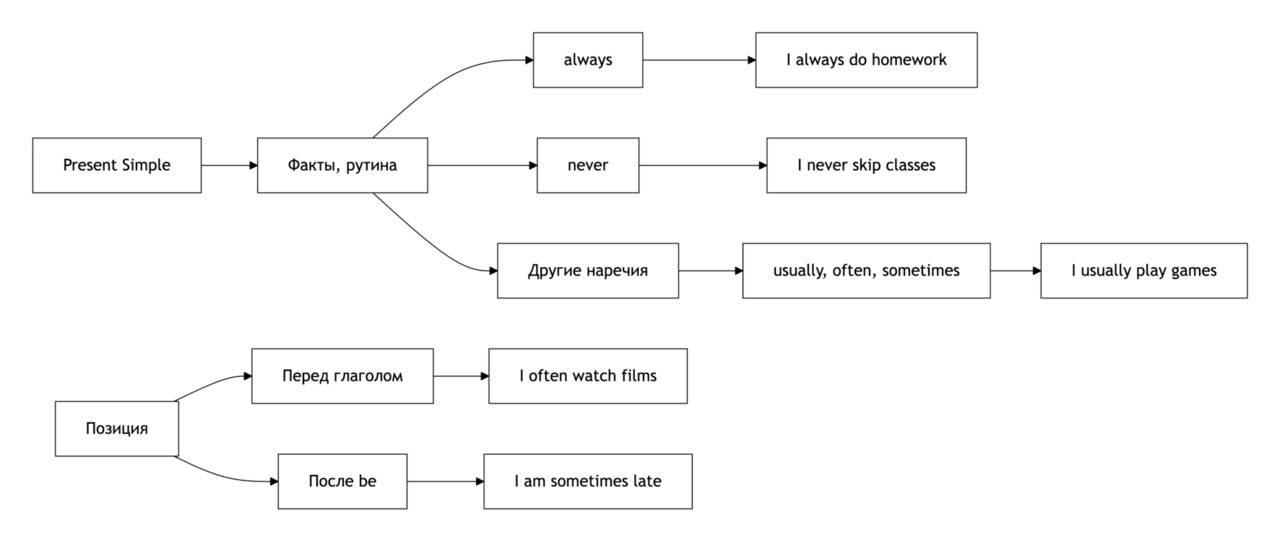
Present Simple используется для описания регулярных действий и привычек. Часто его сопровождают наречия частоты: always, usually, often, sometimes, never.
Правила:
Для he/she/it добавляем -s/-es: He goes to school.
I/you/we/they — глагол без окончания: We usually wake up at 7.
Наречия частоты ставятся перед основным глаголом (кроме to be):
I always drink coffee in the morning.
She is usually tired after school.
Примеры:
I usually get up at 7 o’clock. — Я обычно встаю в 7.
He sometimes plays football in the evening. — Он иногда играет в футбол вечером.
We never eat fast food. — Мы никогда не едим фастфуд.
Совет по запоминанию:
Создайте свой ежедневный распорядок на английском и проговаривайте вслух, используя наречия частоты.
Story
Tom is a student, and he has a busy daily routine. He usually wakes up at 6:30 in the morning. After getting up, he brushes his teeth and takes a shower. Then he has breakfast with his family. Tom usually eats cereal and drinks tea.
He goes to school at 7:30. Classes start at 8 o’clock. Tom studies different subjects: English, math, history, and science. He likes English the most. After school, he sometimes goes to the library to do homework or read books.
In the evening, Tom usually spends time with his family. They often watch TV or play board games together. Sometimes he goes out with friends to the park. He always tries to help his parents with household chores, like washing dishes or cleaning his room.
Before going to bed, Tom likes to read for about 30 minutes. He usually goes to bed at 10 o’clock. Even though his routine is busy, he enjoys his day and likes having a clear plan for each activity.
Useful Words and Expressions
wake up — просыпаться
get up — вставать
brush teeth — чистить зубы
take a shower — принимать душ
breakfast — завтрак
go to school — идти в школу
class — урок, занятие
subject — предмет
library — библиотека
do homework — делать домашнюю работу
read books — читать книги
spend time — проводить время
watch TV — смотреть телевизор
play board games — играть в настольные игры
go out — выходить куда-то
help — помогать
household chores — домашние дела
before — перед
enjoy — наслаждаться
usually / sometimes / always / never — обычно / иногда / всегда / никогда
Exercises
Exercise 1: Fill in the blanks
Tom ______ (wake up) at 6:30 every morning.
He ______ (eat) cereal for breakfast.
After school, he sometimes ______ (go) to the library.
He always ______ (help) his parents at home.
Tom usually ______ (go) to bed at 10 o’clock.
Exercise 2: Multiple Choice
Tom ______ English the most.
a) likes
b) like
c) is liking
He never ______ fast food.
a) eats
b) eat
c) is eating
Where does Tom go after school sometimes?
a) to the park
b) to the library
c) to bed
Exercise 3: Questions about the story
Answer in 3–4 sentences each.
What is Tom’s daily routine in the morning?
Which subjects does Tom study at school?
How does Tom spend his evening?
What household chores does Tom do?
Does Tom enjoy his daily routine? Why?
Answer Key
Exercise 1:
wakes up
eats
goes
helps
goes
Exercise 2:
a) likes
a) eats
b) to the library
Exercise 3:
Tom usually wakes up at 6:30, brushes his teeth, takes a shower, and has breakfast with his family.
He studies English, math, history, and science. He likes English the most.
In the evening, Tom spends time with his family, watching TV or playing board games. Sometimes he goes out with friends.
Tom helps his parents with household chores, like washing dishes or cleaning his room.
Yes, Tom enjoys his daily routine because he has a clear plan and likes doing different activities every day.
Lesson 3. Describing People
Внешность, характер, эмоции
Grammar Focus: Adjectives + «to be» / Present Simple
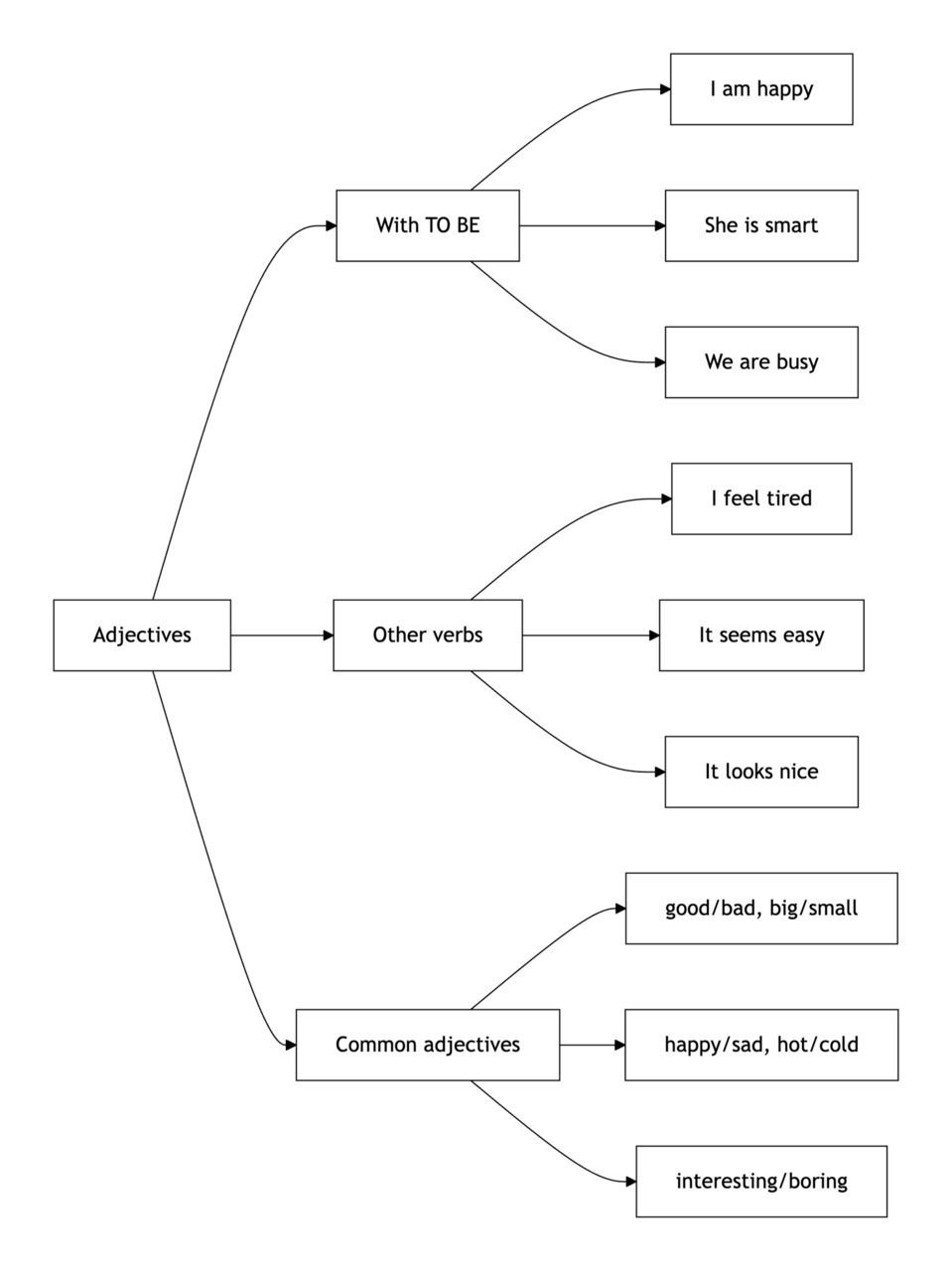
Чтобы описывать людей, используем прилагательные и глагол to be. Также часто применяются наречия для выражения частоты или степени.
Правила:
To be + прилагательное для описания внешности или характера:
She is tall and friendly. — Она высокая и дружелюбная.
Прилагательные для внешности: tall, short, slim, strong, blonde, dark-haired
Прилагательные для характера: friendly, kind, honest, lazy, cheerful, serious
Для выражения эмоций используем feel + adjective:
He feels happy today. — Он сегодня счастлив.
Примеры:
My friend is very cheerful and energetic. — Мой друг очень жизнерадостный и энергичный.
She has long brown hair and blue eyes. — У неё длинные каштановые волосы и голубые глаза.
I feel tired after school. — Я чувствую усталость после школы.
Совет по запоминанию:
Составьте небольшие описания своих друзей или членов семьи на английском, используя прилагательные и «feel» для эмоций.
Story
My best friend’s name is Emma. She is 16 years old. Emma is tall and slim. She has long blonde hair and green eyes. She always dresses neatly and likes wearing bright colors.
Emma is very friendly and cheerful. She likes helping people and always smiles when she meets someone. She is also honest and hardworking. At school, she studies hard and often helps her classmates if they don’t understand the lesson.
Sometimes Emma feels tired because she is busy with school and hobbies. She plays tennis twice a week and takes piano lessons on Saturdays. Even when she is tired, she tries to stay positive and keep a good mood.
Emma also has a good sense of humor. She can make her friends laugh easily. People enjoy being around her because she is kind and polite. I like spending time with Emma because she always listens to me and supports me when I feel sad or worried.
I hope one day I can be as friendly and cheerful as Emma. She is a great example of a person with a good heart and a positive attitude.
Useful Words and Expressions
tall — высокий
short — низкий
slim — стройный
strong — сильный
blonde / brown / black hair — светлые / каштановые / чёрные волосы
eyes — глаза
friendly — дружелюбный
cheerful — жизнерадостный
kind — добрый
honest — честный
hardworking — трудолюбивый
tired — усталый
positive — позитивный
sense of humor — чувство юмора
support — поддерживать
polite — вежливый
smile — улыбка, улыбаться
dress neatly — одеваться аккуратно
play tennis — играть в теннис
piano lessons — уроки игры на пианино
Exercises
Exercise 1: Fill in the blanks
Emma ______ (be) tall and slim.
She ______ (have) long blonde hair.
Emma ______ (feel) tired sometimes.
She always ______ (help) her classmates.
Emma ______ (like) wearing bright colors.
Exercise 2: Multiple Choice
Emma is very ______ and cheerful.
a) friendly
b) boring
c) lazy
She often plays ______ twice a week.
a) football
b) tennis
c) chess
How does Emma make her friends feel?
a) sad
b) happy
c) angry
Exercise 3: Questions about the story
Answer in 3–4 sentences each.
How does Emma look? Describe her appearance.
What is Emma’s personality like?
How does Emma spend her free time?
Why do people enjoy being around Emma?
What does the narrator like about Emma?
Answer Key
Exercise 1:
is
has
feels
helps
likes
Exercise 2:
a) friendly
b) tennis
b) happy
Exercise 3:
Emma is tall and slim. She has long blonde hair and green eyes. She dresses neatly and likes wearing bright colors.
Emma is friendly, cheerful, honest, hardworking, and kind. She has a positive attitude and a good sense of humor.
Emma plays tennis twice a week and takes piano lessons on Saturdays. She also helps her classmates and studies hard.
People enjoy being around Emma because she is friendly, polite, and makes them laugh. She is kind and supportive.
The narrator likes spending time with Emma because she always listens and supports them when they feel sad or worried.
Lesson 4. Hobbies and Free Time
Свободное время, интересы
Grammar Focus: Present Simple / Like + Gerund
Объяснение на русском:
Для описания привычек и увлечений часто используем Present Simple и конструкции like / enjoy / love + -ing (герундий).
Правила:
like / enjoy / love + verb-ing используется, когда говорим о том, что нравится делать:
I like reading books. — Мне нравится читать книги.
Наречия частоты показывают, как часто мы занимаемся хобби: always, often, sometimes, rarely, never.
Вопросительная форма Present Simple: Do you like painting? — Тебе нравится рисовать?
Примеры:
I enjoy playing football with my friends. — Мне нравится играть в футбол с друзьями.
She loves listening to music in the evening. — Она любит слушать музыку вечером.
He sometimes watches movies on weekends. — Он иногда смотрит фильмы по выходным.
Совет по запоминанию:
Составьте список своих увлечений на английском и проговаривайте каждый день: I like… I enjoy… I love…

Story
James is 15 years old, and he has many hobbies. He likes reading books, especially adventure stories. Every weekend, he spends a few hours reading in his room. Sometimes he reads before going to bed.
James also enjoys playing football with his friends. They often meet at the park after school. He practices passing, shooting, and running. Playing football makes him happy and keeps him healthy.
In addition, James likes listening to music. He usually listens to pop and rock songs. Music helps him relax after a busy day at school. Sometimes he also plays the guitar. He is not a professional, but he enjoys practicing a few songs every week.
On Sundays, James often goes for a walk with his family. They talk, look at nature, and take photos. James believes that hobbies and free time are very important. They help him relax, have fun, and learn new things. He tries to spend at least one hour every day doing something he enjoys.
Useful Words and Expressions
hobby — хобби
free time — свободное время
read books — читать книги
adventure stories — приключенческие истории
weekend — выходные
football — футбол
practice — тренироваться
pass — пасовать
shoot — бить по мячу
run — бегать
play music — играть на музыкальном инструменте
listen to music — слушать музыку
relax — отдыхать, расслабляться
healthy — здоровый
nature — природа
walk — гулять
family — семья
look at — смотреть на
take photos — фотографировать
enjoy — наслаждаться
Exercises
Exercise 1: Fill in the blanks
James ______ (like) reading adventure stories.
He often ______ (play) football with his friends.
James ______ (listen) to music in the evening.
Sometimes he ______ (play) the guitar.
On Sundays, he ______ (go) for a walk with his family.
Exercise 2: Multiple Choice
James enjoys ______.
a) cooking
b) playing football
c) swimming
Music helps James ______.
a) relax
b) study
c) run
How often does James read?
a) every weekend
b) never
c) once a year
Exercise 3: Questions about the story
Answer in 3–4 sentences each.
What hobbies does James have?
How does James spend his weekends?
Why does James like playing football?
What does James do with his family on Sundays?
Why are hobbies and free time important for James?
Answer Key
Exercise 1:
likes
plays
listens
plays
goes
Exercise 2:
b) playing football
a) relax
a) every weekend
Exercise 3:
James likes reading books, playing football, listening to music, and sometimes playing the guitar.
He spends his weekends reading, playing football with friends, and walking with his family.
He likes playing football because it makes him happy and keeps him healthy.
On Sundays, James goes for a walk with his family, talks with them, looks at nature, and takes photos.
Hobbies and free time are important for James because they help him relax, have fun, and learn new things.
Lesson 5. Talking about Your City
Описание города и местоположения
Grammar Focus: There is / There are + Prepositions of Place
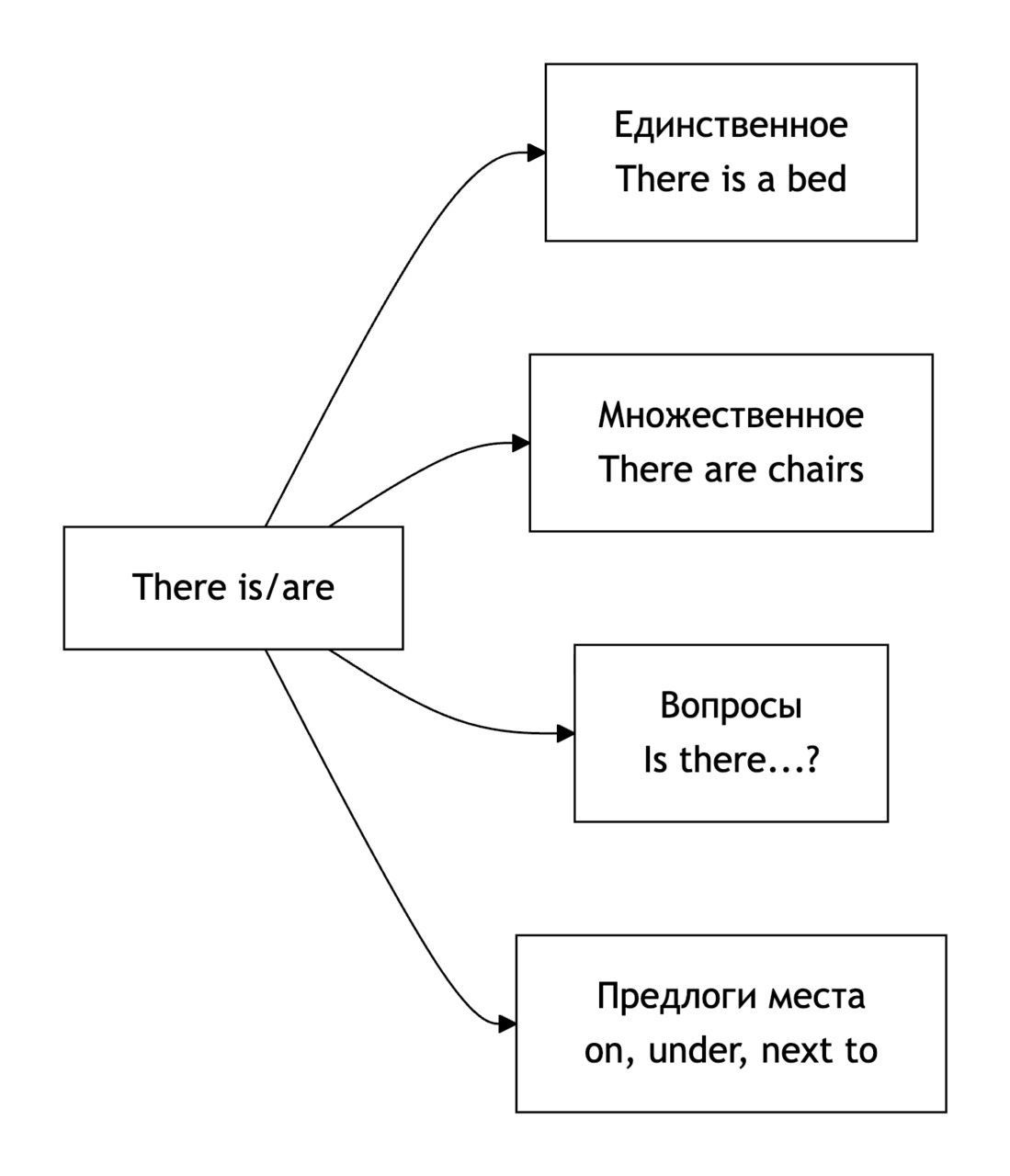
Чтобы описывать города и местоположение объектов, часто используют конструкции There is / There are вместе с предлогами места: in, near, next to, between, behind, in front of.
Правила:
There is — используется для единственного числа: There is a park in my city.
There are — для множественного числа: There are many shops near my school.
Предлоги места помогают уточнить расположение:
The supermarket is next to the bank.
The school is between the library and the park.
Примеры:
There is a museum in my city center. — В центре моего города есть музей.
There are three parks near my house. — Рядом с моим домом три парка.
The cinema is behind the restaurant. — Кинотеатр за рестораном.
Совет по запоминанию:
Попробуйте нарисовать простую карту своего города и описать её на английском, используя There is / There are и предлоги места.
Story
My city is called Rivertown. It is not very big, but it is very beautiful. There is a river in the center of the city, and many people like to walk along it. There are also several parks where families can relax and children can play.
In the city center, there is a library, a museum, and a cinema. The library is next to the museum, and the cinema is behind the museum. There are many shops and cafes near the main square. People often meet there on weekends.
My school is not far from my house. It is between a supermarket and a park. I usually walk to school in the morning. There is a bus stop near my school, so sometimes I take the bus if I am late.
Rivertown is a quiet and safe city. There are a few factories, but they are not near the residential areas. Many people like living here because everything is close, and the city has a friendly atmosphere. I like my city very much and I often show it to my friends when they visit.
Useful Words and Expressions
city — город
town — небольшой город
river — река
park — парк
library — библиотека
museum — музей
cinema — кинотеатр
shop — магазин
cafe — кафе
main square — главная площадь
house — дом
school — школа
bus stop — автобусная остановка
behind — за
next to — рядом с
between — между
in the center — в центре
near — рядом
quiet — тихий
safe — безопасный
Exercises
Exercise 1: Fill in the blanks
There ______ (be) a river in the center of Rivertown.
There ______ (be) several parks where children can play.
The cinema is ______ (behind / next to) the museum.
My school is ______ (between / next to) a supermarket and a park.
There ______ (be) a bus stop near my school.
Exercise 2: Multiple Choice
Rivertown is ______.
a) very big
b) small but beautiful
c) dangerous
Where do people often meet on weekends?
a) in the library
b) in the main square
c) in the park
How do students usually get to school?
a) by bike
b) by bus or walking
c) by train
Exercise 3: Questions about the story
Answer in 3–4 sentences each.
Describe the main features of Rivertown.
What buildings are in the city center?
Where is the school located?
Why do people like living in Rivertown?
How does the narrator feel about their city?
Answer Key
Exercise 1:
is
are
behind
between
is
Exercise 2:
b) small but beautiful
b) in the main square
b) by bus or walking
Exercise 3:
Rivertown has a river in the center, several parks, and it is quiet and safe. The city is not very big but very beautiful.
In the city center, there is a library, a museum, and a cinema. There are also many shops and cafes near the main square.
The school is between a supermarket and a park, not far from the narrator’s house.
People like living in Rivertown because it is quiet, safe, and everything is close. The city has a friendly atmosphere.
The narrator likes their city very much and often shows it to friends when they visit.
Lesson 6. Food and Cooking
Еда, блюда, любимые рецепты
Grammar Focus: Countable and Uncountable Nouns / Some / Any
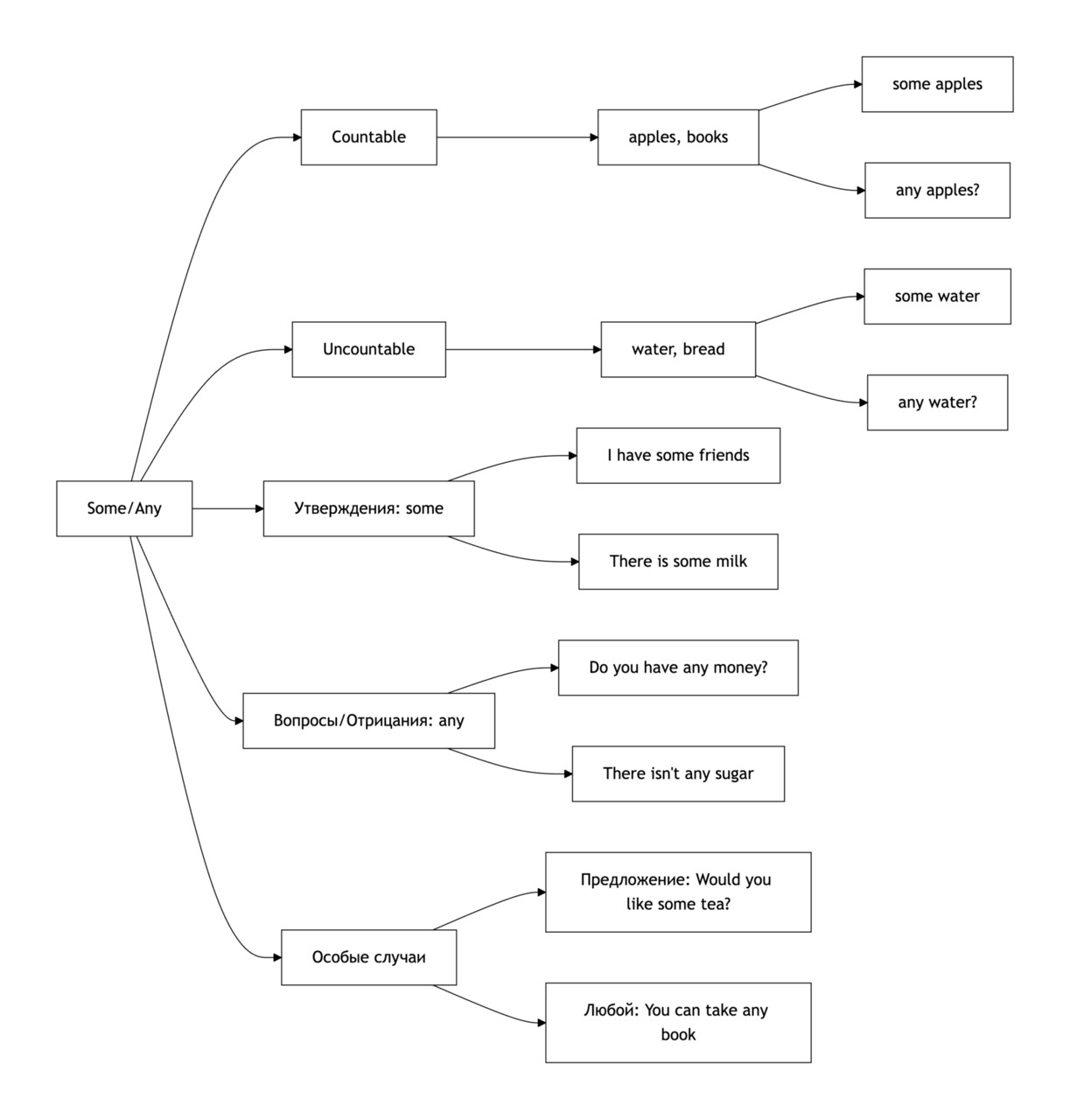
При описании еды важно различать исчисляемые (countable) и неисчисляемые (uncountable) существительные, а также правильно использовать some / any.
Правила:
Countable (исчисляемые): можно посчитать. Имеют форму множественного числа: apple / apples, sandwich / sandwiches.
Uncountable (неисчисляемые): нельзя посчитать: milk, rice, bread, cheese.
Some используется в утвердительных предложениях: I have some apples.
Any используется в вопросах и отрицаниях: Do you have any bread? / I don’t have any milk.
Примеры:
I like eating apples and bananas. — Мне нравится есть яблоки и бананы.
There is some milk in the fridge. — В холодильнике есть молоко.
We don’t have any sugar. — У нас нет сахара.
Совет по запоминанию:
Создайте мини-таблицу с едой: разделите на countable и uncountable и подпишите some/any. Практикуйте каждый день.
Story
My favorite hobby is cooking. I enjoy trying new recipes and learning about different foods. On weekends, I often cook for my family.
For breakfast, I usually make eggs and toast with some butter. Sometimes I prepare pancakes with honey or jam. My sister likes eating pancakes, and my brother always asks for extra syrup.
For lunch, we often eat sandwiches, salads, or pasta. I like making salads with tomatoes, cucumbers, and cheese. I always add a little olive oil and salt. My mother often helps me when I cook lunch.
Dinner is my favorite meal of the day. Sometimes we have chicken with rice, or fish with vegetables. I like trying new dishes from different countries. Last week, I made a Mexican recipe with rice, beans, and spices. It was delicious!
I think cooking is not only fun but also useful. It helps me learn about healthy food and share tasty meals with my family. I enjoy cooking every day, and I hope one day I can become a professional chef.
Useful Words and Expressions
food — еда
dish — блюдо
recipe — рецепт
cook — готовить
breakfast — завтрак
lunch — обед
dinner — ужин
egg — яйцо
toast — тост
butter — масло
pancake — блин
honey — мёд
jam — варенье
sandwich — сэндвич
salad — салат
pasta — паста
rice — рис
chicken — курица
fish — рыба
spices — специи
Exercises
Exercise 1: Fill in the blanks
I usually make eggs and ______ for breakfast.
My brother always asks for extra ______ on pancakes.
I like making salads with tomatoes, cucumbers, and ______.
Sometimes we have chicken with ______ for dinner.
Last week, I made a Mexican recipe with rice, beans, and ______.
Exercise 2: Multiple Choice
Which meal is the narrator’s favorite?
a) Breakfast
b) Lunch
c) Dinner
What does the narrator add to the salad?
a) Olive oil and salt
b) Sugar and milk
c) Butter and jam
Do they have pancakes for lunch or breakfast?
a) Breakfast
b) Lunch
c) Dinner
Exercise 3: Questions about the story
Answer in 3–4 sentences each.
What does the narrator usually cook for breakfast?
How does the narrator prepare salads?
What dishes does the narrator cook for dinner?
What special recipe did the narrator try last week?
Why does the narrator enjoy cooking?
Answer Key
Exercise 1:
toast
syrup
cheese
rice
spices
Exercise 2:
c) Dinner
a) Olive oil and salt
a) Breakfast
Exercise 3:
The narrator usually makes eggs and toast for breakfast. Sometimes they prepare pancakes with honey or jam.
The narrator makes salads with tomatoes, cucumbers, and cheese. They add a little olive oil and salt.
For dinner, they sometimes have chicken with rice or fish with vegetables.
Last week, the narrator tried a Mexican recipe with rice, beans, and spices. It was delicious.
The narrator enjoys cooking because it is fun, useful, and allows them to share tasty meals with their family.
Lesson 7. Shopping and Services
Покупки, магазины, услуги
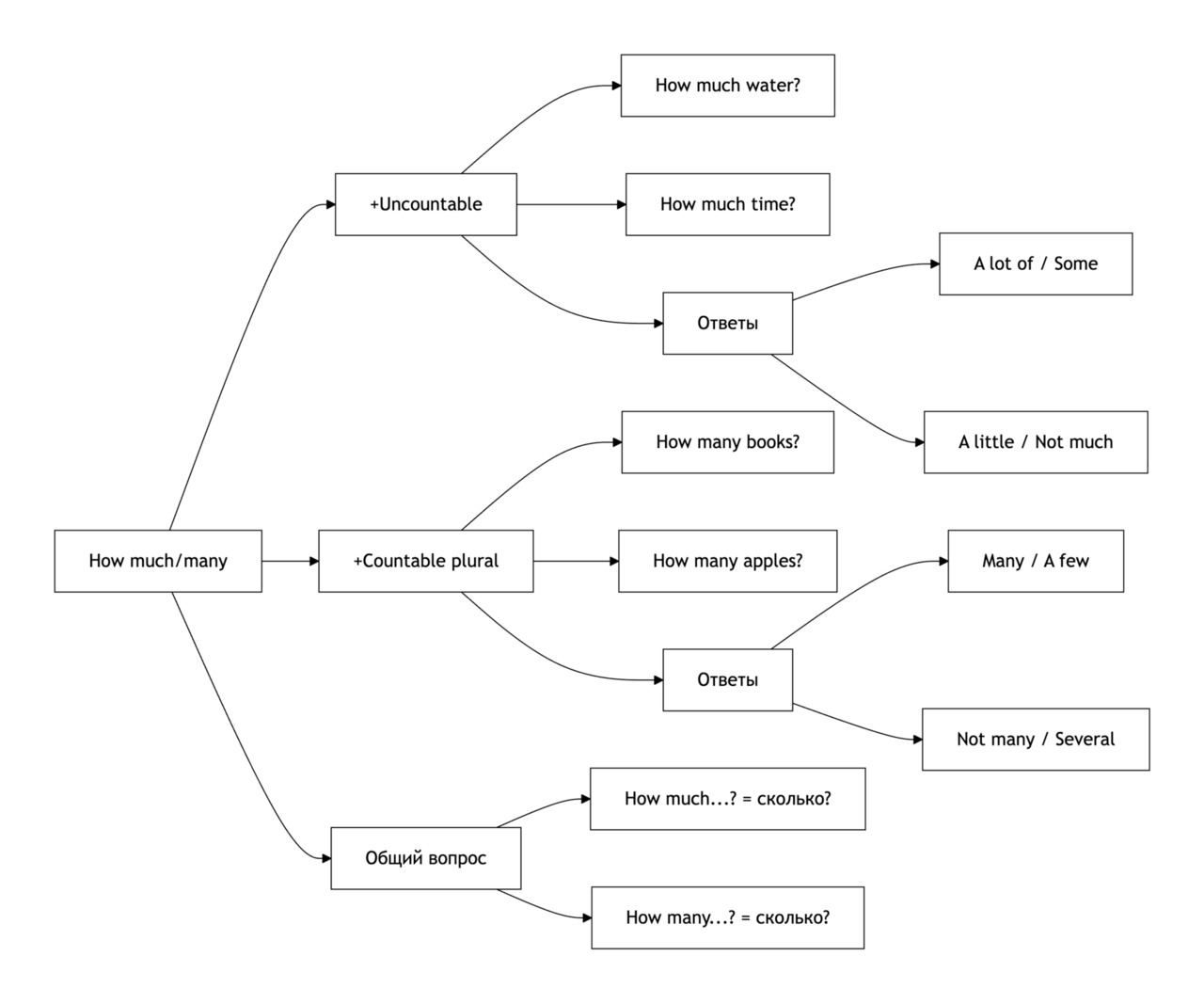
Grammar Focus: Countable / Uncountable Nouns + How much / How many
При покупках часто нужно различать исчисляемые (countable) и неисчисляемые (uncountable) существительные, а также задавать вопросы о количестве с how much / how many.
Правила:
Countable (исчисляемые) — можно посчитать: apple / apples, pen / pens
Uncountable (неисчисляемые) — нельзя посчитать: milk, bread, cheese
How much используется для неисчисляемых: How much milk do you want?
How many используется для исчисляемых: How many apples do you need?
Примеры:
How much sugar is in the bag? — Сколько сахара в пакете?
How many bananas do you want? — Сколько бананов ты хочешь?
I need some bread and two apples. — Мне нужен хлеб и два яблока.
Совет по запоминанию:
Составьте список покупок и напишите вопросы How much / How many, чтобы практиковать грамматику на повседневной теме.
Story
Anna goes shopping every Saturday. She usually goes to the supermarket near her house. First, she checks her shopping list. She needs vegetables, fruits, bread, and milk.
When Anna arrives at the supermarket, she looks at the prices. She asks: How much is the milk? and How many tomatoes do I need? She chooses fresh vegetables and some apples. Then she goes to the bakery and buys bread. The bakery has many delicious cakes, but Anna only takes one loaf of bread.
After the supermarket, Anna often visits the pharmacy. She sometimes needs medicine or vitamins. The pharmacist is very friendly and helps her choose the right products.
Finally, Anna goes to the post office. She sends a letter to her friend and buys a few stamps. After finishing all her errands, she goes home. Shopping takes time, but Anna enjoys it. She likes choosing fresh food and visiting different stores. On the way home, she sometimes stops at a café and drinks coffee before returning home.
Useful Words and Expressions
shopping — покупки
supermarket — супермаркет
bakery — пекарня
post office — почта
pharmacy — аптека
vegetables — овощи
fruits — фрукты
bread — хлеб
milk — молоко
cake — торт, пирожное
loaf of bread — буханка хлеба
medicine — лекарства
vitamins — витамины
price — цена
how much — сколько (неисчисляемое)
how many — сколько (исчисляемое)
stamp — марка
errand — поручение, дело
café — кафе
fresh — свежий
Exercises
Exercise 1: Fill in the blanks
Anna goes to the ______ near her house.
She buys vegetables, fruits, bread, and ______.
She asks: How much ______ do I need?
The bakery has many delicious ______, but she buys only one loaf of bread.
After shopping, Anna sometimes stops at a ______.
Exercise 2: Multiple Choice
Where does Anna buy medicine or vitamins?
a) Bakery
b) Pharmacy
c) Post office
What does Anna buy at the post office?
a) Letters
b) Envelopes
c) Stamps
How does Anna feel about shopping?
a) She dislikes it
b) She enjoys it
c) She is tired
Exercise 3: Questions about the story
Answer in 3–4 sentences each.
Where does Anna usually go shopping?
What does she buy at the supermarket?
What does she do at the pharmacy?
What errands does Anna do at the post office?
Why does Anna enjoy shopping?
Answer Key
Exercise 1:
supermarket
milk
tomatoes
cakes
café
Exercise 2:
b) Pharmacy
c) Stamps
b) She enjoys it
Exercise 3:
Anna usually goes shopping at the supermarket near her house. She also visits the bakery, pharmacy, and post office.
At the supermarket, she buys vegetables, fruits, bread, and milk.
At the pharmacy, she sometimes buys medicine or vitamins, and the pharmacist helps her choose.
At the post office, Anna sends a letter to her friend and buys a few stamps.
Anna enjoys shopping because she likes choosing fresh food and visiting different stores. Sometimes she stops at a café and drinks coffee, which makes the day pleasant.
Lesson 8. Travelling and Holidays
Путешествия, поездки, отдых
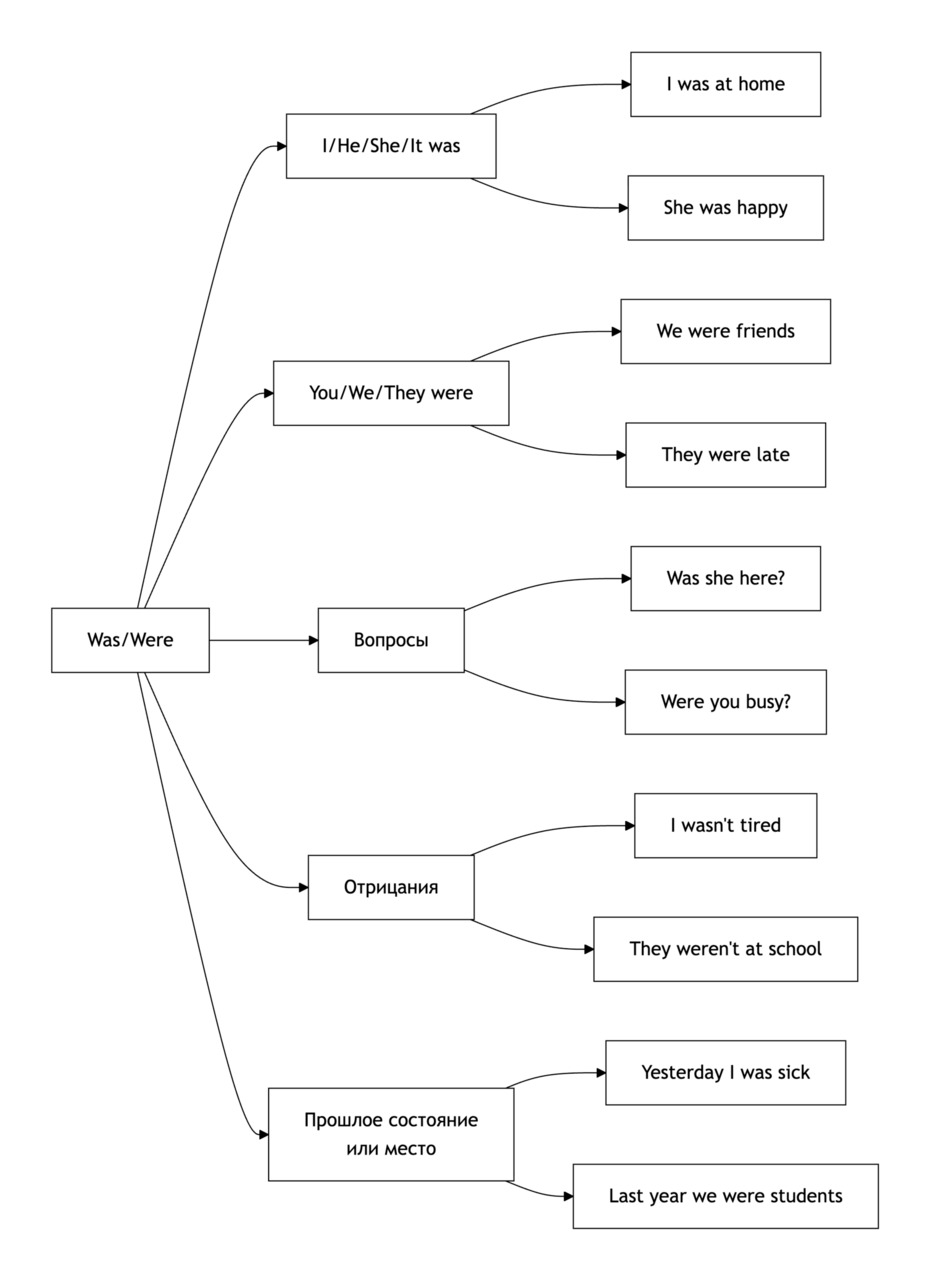
Grammar Focus: Past Simple / Was / Were
При рассказе о прошлых поездках и отпуске используем Past Simple для действий в прошлом. Для глагола to be — форма was (для I, he, she, it) и were (для we, you, they).
Правила:
Для правильных глаголов добавляем -ed: visited, watched, walked.
Для неправильных — используем вторую форму: went, saw, took.
Was / Were используется для описания состояния, места, настроения:
I was tired after the trip.
The hotels were comfortable.
Примеры:
I visited Paris last summer. — Я посетил Париж прошлым летом.
We were at the beach every day. — Мы были на пляже каждый день.
She took many photos during her holiday. — Она сделала много фотографий во время отпуска.
Совет по запоминанию:
Составьте мини-дневник путешествия на английском, используя Past Simple и was/were.
Story
Last summer, my family and I went to Italy for our holidays. We stayed in a small town near the sea. The hotel was comfortable, and the staff were very friendly.
Every morning, we walked along the beach and collected shells. The water was warm, and we swam every day. We also visited some local markets. I bought postcards and small souvenirs for my friends.
In the afternoons, we explored the town. We saw old churches, beautiful streets, and small cafes. One day, we took a boat trip along the coast. The view was amazing, and we took many photos.
We tried different Italian dishes. I liked pizza and pasta the most. We also tasted gelato — it was delicious!
At the end of our holiday, we were a little sad to leave, but we had many wonderful memories. I enjoyed travelling with my family because it was fun, relaxing, and we learned a lot about Italian culture. I hope we can go on another trip next summer.
Useful Words and Expressions
travel — путешествовать
holiday / vacation — отпуск, каникулы
beach — пляж
sea — море
hotel — отель
comfortable — удобный
friendly — дружелюбный
walk — гулять
collect shells — собирать ракушки
swim — плавать
local market — местный рынок
souvenir — сувенир
postcard — открытка
explore — исследовать
church — церковь
street — улица
café — кафе
pizza / pasta — пицца / паста
gelato — мороженое
memory — воспоминание
Exercises
Exercise 1: Fill in the blanks
Last summer, we ______ (go) to Italy for our holidays.
The hotel ______ (be) comfortable.
We ______ (swim) in the sea every day.
I ______ (buy) souvenirs at the local market.
We ______ (take) many photos during the boat trip.
Exercise 2: Multiple Choice
Where did the family stay?
a) In a big city
b) In a small town near the sea
c) In the mountains
Which food did the narrator like the most?
a) Fish
b) Pizza and pasta
c) Sandwiches
How did the family feel at the end of the holiday?
a) Sad but happy
b) Angry
c) Tired and bored
Exercise 3: Questions about the story
Answer in 3–4 sentences each.
Where did the narrator go on holiday?
What did they do in the mornings?
What sights did they see in the town?
What foods did they try during the holiday?
Why did the narrator enjoy the trip?
Answer Key
Exercise 1:
went
was
swam
bought
took
Exercise 2:
b) In a small town near the sea
b) Pizza and pasta
a) Sad but happy
Exercise 3:
The narrator went to Italy with their family for the holidays. They stayed in a small town near the sea.
In the mornings, they walked along the beach, collected shells, and swam in the sea.
They explored the town and saw old churches, beautiful streets, and small cafes. They also visited local markets.
They tried different Italian dishes, and the narrator liked pizza and pasta the most. They also tasted gelato.
The narrator enjoyed the trip because it was fun, relaxing, and they learned a lot about Italian culture.
Lesson 9. Weather and Seasons
Погода, времена года, планы на выходные
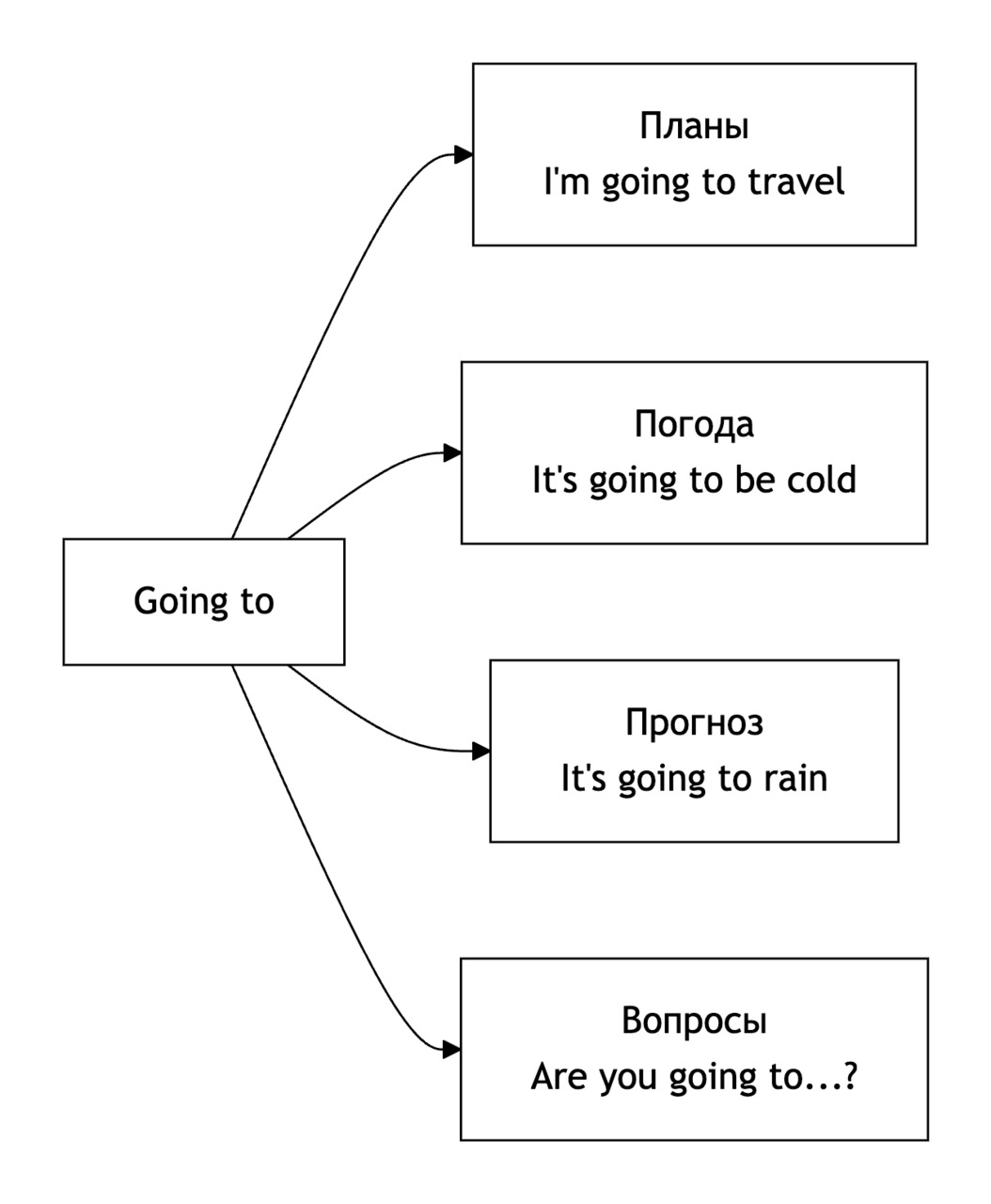
Grammar Focus: Talking about Weather / Future Plans with «Going to»
Чтобы говорить о погоде, используем устойчивые выражения с it is (It is sunny, It is cold).
Для описания планов на будущее, особенно если решение уже принято, используем конструкцию be going to.
Правила:
It is + adjective — описание погоды:
It is warm today. — Сегодня тепло.
Be going to + verb — планы на будущее:
I am going to stay at home this weekend. — Я собираюсь остаться дома на выходных.
Формы глагола to be: am / is / are going to
Примеры:
It is rainy and windy today. — Сегодня дождливо и ветрено.
We are going to visit our grandparents this weekend. — Мы собираемся навестить бабушку и дедушку на выходных.
She is going to stay at home because it is cold. — Она собирается остаться дома, потому что холодно.
Совет по запоминанию:
Каждый вечер описывайте погоду и планы на завтра, используя It is… и I am going to…
Story
There are four seasons in my country: spring, summer, autumn, and winter. Each season has its own weather, and I like them for different reasons.
Spring is usually warm and sunny. Nature becomes green, and people spend more time outside. In spring, I often go for walks and meet friends in the park.
Summer is my favorite season. It is hot, and the days are long. People go on holidays, swim in the sea, and travel to new places. This weekend, my family is going to visit a lake near our city. If the weather is good, we are going to swim and have a picnic.
Autumn is cooler and sometimes rainy. I like autumn because the air is fresh, and the trees are colorful. On rainy weekends, I usually stay at home and read books or watch movies.
Winter is cold and snowy. It gets dark early, but winter can be beautiful. When it snows, I am going to go outside and take photos. Weather often changes our plans, but every season has something special to enjoy.
Useful Words and Expressions
weather — погода
season — время года
spring — весна
summer — лето
autumn — осень
winter — зима
sunny — солнечный
rainy — дождливый
windy — ветреный
cold — холодный
warm — тёплый
snow — снег
picnic — пикник
lake — озеро
weekend — выходные
plan — план
stay at home — оставаться дома
go for a walk — идти гулять
travel — путешествовать
change plans — менять планы
Exercises
Exercise 1: Fill in the blanks
It is ______ and sunny in spring.
Summer days are long and ______.
This weekend, we are going to ______ a picnic.
Autumn is often cool and ______.
When it snows, I am going to ______ photos.
Exercise 2: Multiple Choice
Which season is the narrator’s favorite?
a) Spring
b) Summer
c) Winter
What is the family going to do this weekend?
a) Stay at home
b) Visit a lake
c) Go shopping
What does the narrator usually do on rainy weekends?
a) Go swimming
b) Read books or watch movies
c) Play football
Exercise 3: Questions about the story
Answer in 3–4 sentences each.
What seasons are there in the narrator’s country?
Why does the narrator like spring?
What plans does the family have for the weekend?
How does the narrator usually spend rainy weekends?
Why does the narrator think every season is special?
Answer Key
Exercise 1:
warm
hot
have
rainy
take
Exercise 2:
b) Summer
b) Visit a lake
b) Read books or watch movies
Exercise 3:
There are four seasons in the narrator’s country: spring, summer, autumn, and winter. Each season has different weather.
The narrator likes spring because it is warm and sunny, and nature becomes green. People also spend more time outside.
The family is going to visit a lake near their city. If the weather is good, they are going to swim and have a picnic.
On rainy weekends, the narrator usually stays at home and reads books or watches movies.
The narrator thinks every season is special because each one has its own weather and activities to enjoy.
Lesson 10. Health and Fitness
Здоровье, спорт, советы по образу жизни
Grammar Focus: Modal Verbs — Should / Shouldn’t
Модальный глагол should используется, чтобы давать советы и рекомендации, особенно когда говорим о здоровье и образе жизни.
Shouldn’t используется, чтобы сказать, что что-то делать не рекомендуется.
Правила:
Should + base verb (глагол без частицы to):
You should drink more water. — Тебе следует пить больше воды.
Shouldn’t + base verb:
You shouldn’t eat too much fast food. — Тебе не стоит есть много фастфуда.
Форма одинакова для всех лиц: I / you / we / they should…
Примеры:
You should exercise regularly. — Тебе следует регулярно заниматься спортом.
People shouldn’t stay up late every day. — Людям не стоит каждый день поздно ложиться спать.
We should take care of our health. — Нам следует заботиться о своём здоровье.
Совет по запоминанию:
Составьте список полезных и вредных привычек и запишите советы с should / shouldn’t.
Бесплатный фрагмент закончился.
Купите книгу, чтобы продолжить чтение.